
Why Play Is the Most Important Work of Childhood
Why Play Matters More Than We Sometimes Realize Play Isn’t a Break From Learning To an adult, play can sometimes look like a break from learning. A child building a…

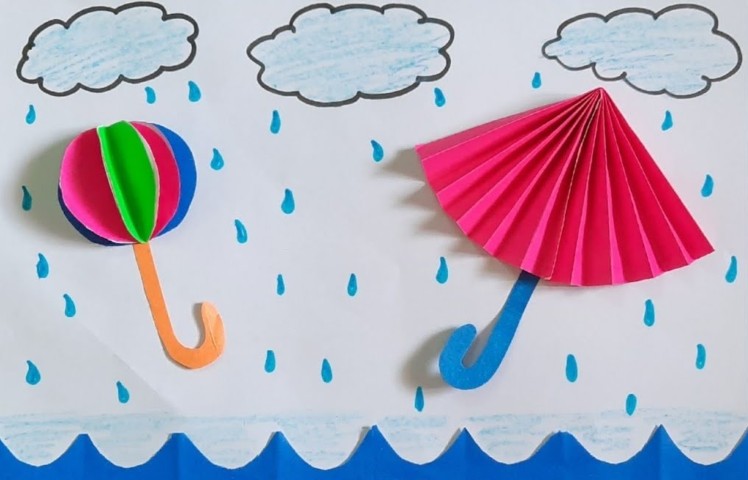
Rainy days often present a unique challenge for parents – how to keep young children entertained and engaged when the weather keeps you indoors. But did you know that these drizzly days are a fantastic opportunity to support your child’s development through creative play and interactive activities? Whether you have an infant discovering the world for the first time, a curious toddler eager to explore, or a preschooler full of imagination, there are countless ways to turn a rainy day into a rich learning experience.
Children’s early years are a critical period for cognitive, social, and emotional growth. The activities you choose can play a significant role in nurturing these areas. From sensory play that stimulates your infant’s senses to imaginative games that develop your preschooler’s problem-solving skills, each activity is a building block in their developmental journey.
In this article, we’ll explore a variety of fun and educational activities tailored to different age groups, all designed to make the most out of those rainy days.
FUN INDOOR ACTIVITIES FOR RAINY DAYS
Dance Party: Turn your living room into a dance floor! Play your child’s favorite songs and have a blast dancing together. Dancing helps burn off energy and improves coordination and motor skills.
Building Blocks: Get creative with blocks or Legos to build towers, houses, and more. This activity enhances spatial awareness and fine motor skills.
Indoor Obstacle Course: Use pillows, chairs, and blankets to set up a fun and challenging course that promotes physical activity and coordination.
Storytime Tent: Create a cozy tent with blankets and pillows, and dive into a pile of books.
Puppet Shows: Make puppets using socks or paper bags and put on a show that encourages creativity and language development.
Indoor Scavenger Hunt: Create a list of items for your child to find around the house.
Puzzle Time: Work on age-appropriate puzzles to boost problem-solving skills.
Painting: Set up an art station with washable paints and paper for creative expression.
Pretend Play: Encourage imagination with a mini kitchen, doctor’s office, or grocery store setup.
Dress-Up Time: Use old clothes and accessories to explore different roles and storytelling.
Yoga and Stretching: Incorporate simple yoga moves for relaxation and flexibility.
Indoor Camping Adventure: Set up a campsite in your living room with blankets and pillows.
Rainy Day Art Gallery: Turn your living room into an art exhibit by displaying their artwork.
DIY Mini Bowling Alley: Set up empty plastic bottles as pins and use a soft ball for bowling.
EASY FOOD IDEAS FOR RAINY DAYS:
Now, let’s add a twist to our rainy day fun with some easy recipes and activities that you and your little ones can do!
At Ecole 360 Child Development Center, we’re all about creating a warm and fun environment where your child can flourish. Our caring team loves helping kids learn and grow through playful, engaging activities and personal attention. Whether it’s fun indoor play on a rainy day or our everyday programs, Ecole 360 Child Development Center, is a place where your child can explore, learn, and discover new things in a safe and loving space. Use this link to schedule a visit


Times are anchors, not alarms. The rhythm is the same every day; the pace follows the children.
| Time | Moment | What Happens |
|---|---|---|
| 6:30 AM | Arrival & Welcome | Greeted by name, hellos chosen at the Greetings Menu, jobs claimed, and the day's headline read. |
| 8:30 | Breakfast | Fresh, organic food at a shared table. Manners and healthy habits are taught here, not assumed. |
| 9:00 | Morning Spark | The week's theme opens, the big question, the read-aloud, and the day's first wondering. |
| 9:20 | Work Time & Small Groups | Language & Literacy · Math & Science Discovery · Reading & Story · Art & Creative Expression · Real-Life Skills. Interest areas stay open all week. |
| Daily | Enrichment | One every day, Sign Language · Spanish · Yoga · Orff-Inspired Music · French, five enrichments across the week. |
| Morning | Outside Time | 20–30 minutes by rotation, or our indoor movement space when the weather keeps us in. |
| 11:45 | Lunch | Fresh, organic food. Trying something new is celebrated, "no thank you" is respected, and children clear their own places. |
| 12:20–2:30 | Rest & Quiet Time | Bodies rest. Early risers read, draw, and work quietly beside them. |
| 2:30 | Waking & Small Groups | Slow waking at each child's own pace, cots away by their own hands, then small groups. |
| 3:00 | Afternoon Snack | The third meal of the day, fresh fruit and whole foods, poured and passed by the children. |
| Afternoon | Outside Time | 20–30 minutes by rotation, or our indoor movement space. |
| 3:30 | Twilight — Wind-Down | The day closes: what we noticed, what we made, and one quiet piece of work. |
| Until 6:00 PM | Choice Time & Goodbyes | Interest areas stay open, families greeted and updated at the door, and every departure by name. |
Fun Fact: The Orff approach teaches music the same way children learn language—through exploration, imitation, movement, and play.
Family Feedback: Many families share that children bring these techniques home, using breathing exercises and mindfulness strategies independently in everyday situations.
Fun Fact: Children can naturally acquire multiple languages simultaneously during early childhood. Research suggests that young children have the remarkable ability to learn several languages with native-like proficiency when exposed consistently from an early age.
Fun Fact: Research shows that sign language can strengthen communication skills and support language development long before children are able to express themselves fully with words.