Home » Why Enrichments?

Why Enrichments?

Why Sign Language – Unlocking Potential

  • Enhanced Communication: Offering an alternative way for children to express themselves, reducing frustration and promoting early communication skills.
  • Cognitive Development: Encouraging memory, attention, spatial awareness, problem-solving skills, and creativity.
  • Inclusivity: Creating a more inclusive environment that fosters empathy and understanding towards those who rely on sign language for communication.
  • Early Literacy Skills: Supporting the development of literacy by helping children understand the concept of symbols representing words.
  • Fine Motor Skills: Enhancing coordination and control of hand movements, which are essential for fine motor development.
  • Social-Emotional Development: Boosting self-esteem and confidence as children successfully communicate with others, fostering social interaction and cooperation among peers.
  • Bilingual Advantage: Providing the cognitive and academic advantages of learning a second language.
  • Cultural Awareness: Introducing children to the Deaf culture, promoting cultural awareness and sensitivity from an early age.

French & Spanish – Linguistic Horizons

  • Cognitive Enhancement: Learning multiple languages from a young age stimulates brain development, leading to improved memory, attention, and problem-solving skills. It fosters mental agility, enabling children to think more critically and creatively.
  • Increased Mental Flexibility: Children who are bilingual or multilingual exhibit greater adaptability in their thinking. They can easily switch between different tasks and viewpoints, a skill that proves invaluable in various aspects of life.
  • Cultural Awareness: Exposure to languages like French and Spanish opens windows to their respective cultures. This broadens children’s perspectives, fostering empathy, respect, and a deeper understanding of global diversity.
  • Academic and Professional Opportunities: Being proficient in multiple languages enhances academic and career prospects. It not only provides a competitive edge in the job market but also facilitates access to a wider range of educational resources and experiences.
  • Improved Social Skills: Learning languages involves communication and interaction, which naturally enhances social abilities. It encourages collaboration, respect for differences, and the ability to navigate diverse social settings.

Yoga, Meditation, & Breathing Techniques – Cultivating Balance 

  • Physical Health: Yoga helps improve flexibility, strength, and coordination. It encourages children to be active and aware of their bodies, laying a foundation for a healthy lifestyle.
  • Mental Well-being: Meditation and breathing techniques teach children to focus, calm their minds, and manage stress. These skills are particularly valuable in today’s fast-paced world and can help children navigate challenges with greater ease.
  • Emotional Balance: These practices promote self-awareness and emotional regulation. Children learn to recognize and express their feelings in a healthy way, leading to improved social interactions and empathy towards others.
  • Concentration and Learning: Regular practice of yoga and meditation can enhance concentration and memory, which are crucial for academic success. Children become more attentive and engaged in their learning activities.
  • Mind-Body Connection: By integrating physical movement with mindful breathing and meditation, children develop a stronger connection between their bodies and minds. This holistic approach fosters a sense of harmony and balance.

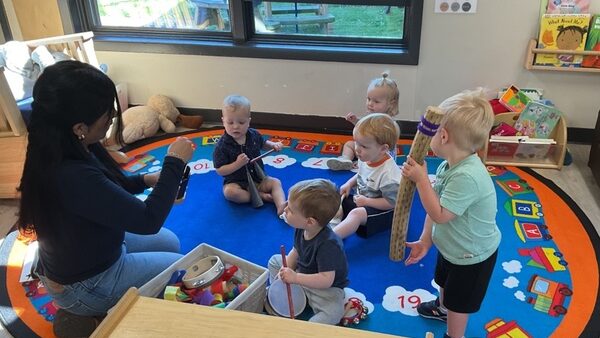
ORFF Music : Harmonious Development

  • Exploration and Creativity: Orff Music encourages children to explore sounds and rhythms through various instruments, movement, and singing. This hands-on approach fosters creativity and imagination, allowing children to express themselves musically.
  • Social Interaction: Group music-making and collaborative activities are central to Orff Music, promoting teamwork and social skills. Children learn to listen to each other, share ideas, and work together in harmony.
  • Physical Coordination: Playing instruments and engaging in movement activities help develop fine and gross motor skills. Children improve their coordination and dexterity, which are essential for overall physical development.
  • Cognitive Development: Music education, particularly the Orff approach, enhances cognitive skills such as pattern recognition, memory, and spatial awareness. It also supports language development and literacy skills.
  • Emotional Well-being: Participating in music-making can be a joyful and uplifting experience. It allows children to explore emotions and express themselves in a safe and supportive environment.
  • Building Confidence: The Orff approach provides a supportive space for children to experiment and perform, helping to build their confidence and self-esteem as they share their musical creations with others.

Latest Posts

Sample Daily Schedule — Toddlers

Times are anchors, not alarms. The rhythm is the same every day; the pace follows the children.

Time Moment What Happens
6:30 AM Arrival & Welcome Greeted by name, hellos chosen at the Greetings Menu, jobs claimed, and the day's headline read.
8:30 Breakfast Fresh, organic food at a shared table. Manners and healthy habits are taught here, not assumed.
9:00 Morning Spark The week's theme opens, the big question, the read-aloud, and the day's first wondering.
9:20 Work Time & Small Groups Language & Literacy · Math & Science Discovery · Reading & Story · Art & Creative Expression · Real-Life Skills. Interest areas stay open all week.
Daily Enrichment One every day, Sign Language · Spanish · Yoga · Orff-Inspired Music · French, five enrichments across the week.
Morning Outside Time 20–30 minutes by rotation, or our indoor movement space when the weather keeps us in.
11:45 Lunch Fresh, organic food. Trying something new is celebrated, "no thank you" is respected, and children clear their own places.
12:20–2:30 Rest & Quiet Time Bodies rest. Early risers read, draw, and work quietly beside them.
2:30 Waking & Small Groups Slow waking at each child's own pace, cots away by their own hands, then small groups.
3:00 Afternoon Snack The third meal of the day, fresh fruit and whole foods, poured and passed by the children.
Afternoon Outside Time 20–30 minutes by rotation, or our indoor movement space.
3:30 Twilight — Wind-Down The day closes: what we noticed, what we made, and one quiet piece of work.
Until 6:00 PM Choice Time & Goodbyes Interest areas stay open, families greeted and updated at the door, and every departure by name.
6:30 AM
Arrival & Welcome
Greeted by name, hellos chosen at the Greetings Menu, jobs claimed, and the day's headline read.
8:30
Breakfast
Fresh, organic food at a shared table. Manners and healthy habits are taught here, not assumed.
9:00
Morning Spark
The week's theme opens, the big question, the read-aloud, and the day's first wondering.
9:20
Work Time & Small Groups
Language & Literacy · Math & Science Discovery · Reading & Story · Art & Creative Expression · Real-Life Skills.
Daily
Enrichment
One every day, Sign Language · Spanish · Yoga · Orff-Inspired Music · French.
Morning
Outside Time
20–30 minutes by rotation, or our indoor movement space when the weather keeps us in.
11:45
Lunch
Fresh, organic food. Trying something new is celebrated, "no thank you" is respected.
12:20–2:30
Rest & Quiet Time
Bodies rest. Early risers read, draw, and work quietly beside them.
2:30
Waking & Small Groups
Slow waking at each child's own pace, cots away by their own hands, then small groups.
3:00
Afternoon Snack
The third meal of the day, fresh fruit and whole foods, poured and passed by the children.
Afternoon
Outside Time
20–30 minutes by rotation, or our indoor movement space.
3:30
Twilight — Wind-Down
The day closes: what we noticed, what we made, and one quiet piece of work.
Until 6:00 PM
Choice Time & Goodbyes
Interest areas stay open, families greeted and updated at the door, and every departure by name.
Throughout the day: diapering every two hours and whenever needed · bathroom whenever asked · potty training follows each child's individual plan

ORFF Music

Inspired by the Orff Schulwerk approach developed by German composer and educator Carl Orff, children explore music through movement, rhythm, singing, storytelling, and hands-on musical experiences. The program supports creativity, self-expression, communication, listening skills, and social development while fostering a lifelong appreciation for music.

Fun Fact: The Orff approach teaches music the same way children learn language—through exploration, imitation, movement, and play.

Yoga & Mindfulness

Through yoga, mindfulness, meditation, and breathing techniques, children develop focus, balance, self-regulation, and emotional well-being. Beginning in our youngest classrooms, these practices help children build healthy habits that support both physical and mental wellness throughout life.

Family Feedback: Many families share that children bring these techniques home, using breathing exercises and mindfulness strategies independently in everyday situations.

French & Spanish

Through engaging, age-appropriate experiences, children are introduced to new languages and cultures while developing communication skills, confidence, and global awareness. Early exposure to multiple languages also supports cognitive development, problem-solving, creative thinking, and executive functioning skills.

Fun Fact: Children can naturally acquire multiple languages simultaneously during early childhood. Research suggests that young children have the remarkable ability to learn several languages with native-like proficiency when exposed consistently from an early age.

Sign Language

Introduced beginning in our infant program, sign language helps children communicate their needs, reduce frustration, build confidence, and support early language development.

Fun Fact: Research shows that sign language can strengthen communication skills and support language development long before children are able to express themselves fully with words.